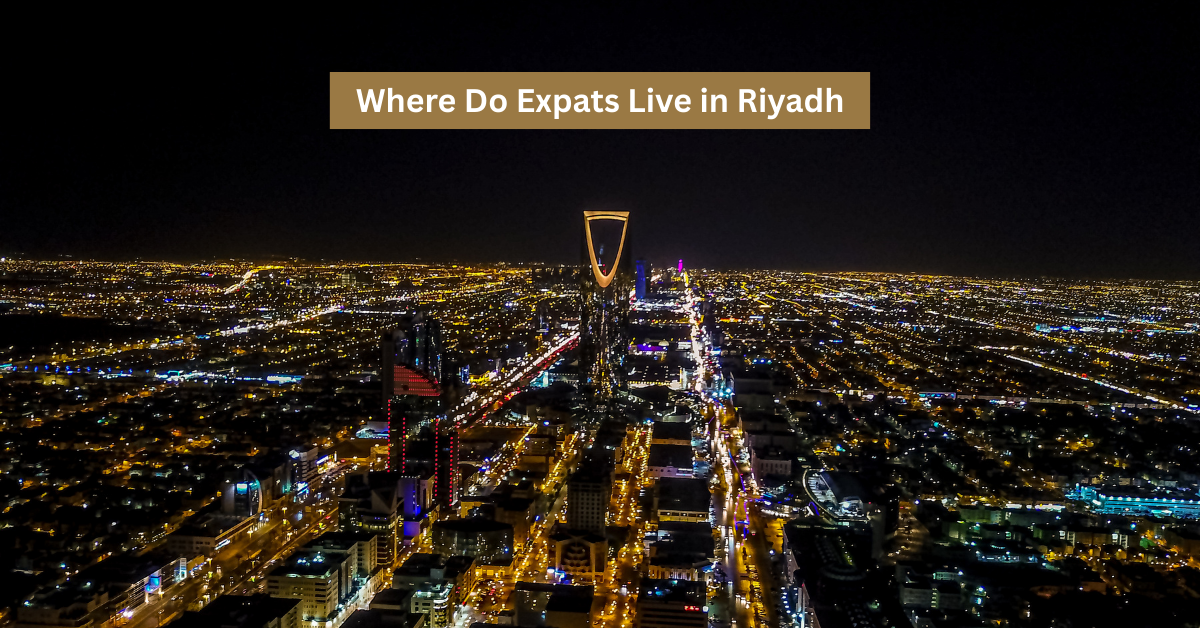
Riyadh is home to thousands of expats working in finance, oil & gas, healthcare, education, and government projects. For newcomers, one of the first questions is simple but important: where do expats live in Riyadh?
Unlike many cities, Riyadh’s housing is unique. Expats often live in residential compounds, gated communities that combine modern apartments or villas with recreational facilities and high security. Some expats also choose to live in private apartments or villas outside compounds, especially if they prefer more independence.
Let’s explore the most popular living options for expats in Riyadh, from luxury compounds to family-friendly neighborhoods.
Main housing options for expats in Riyadh
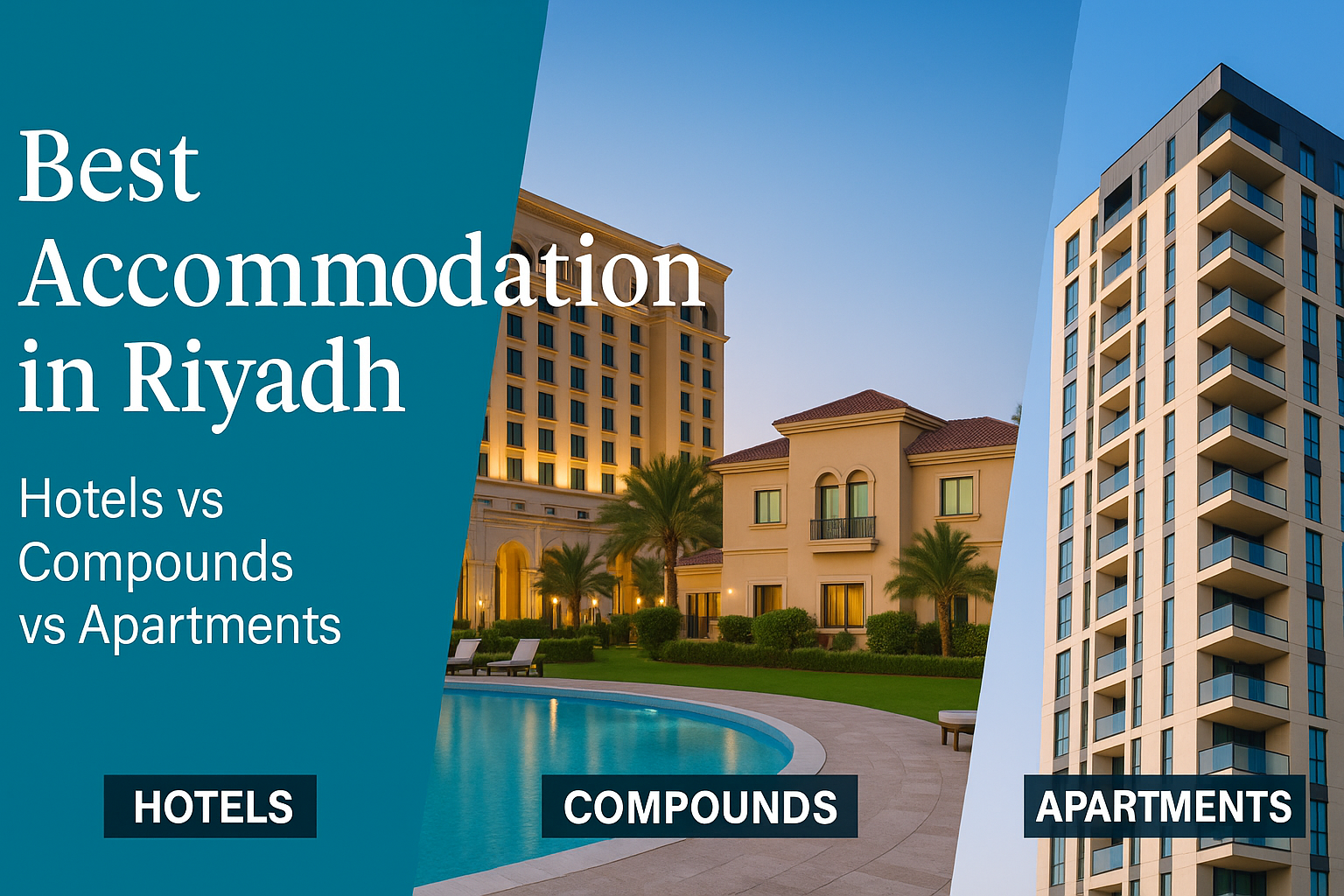
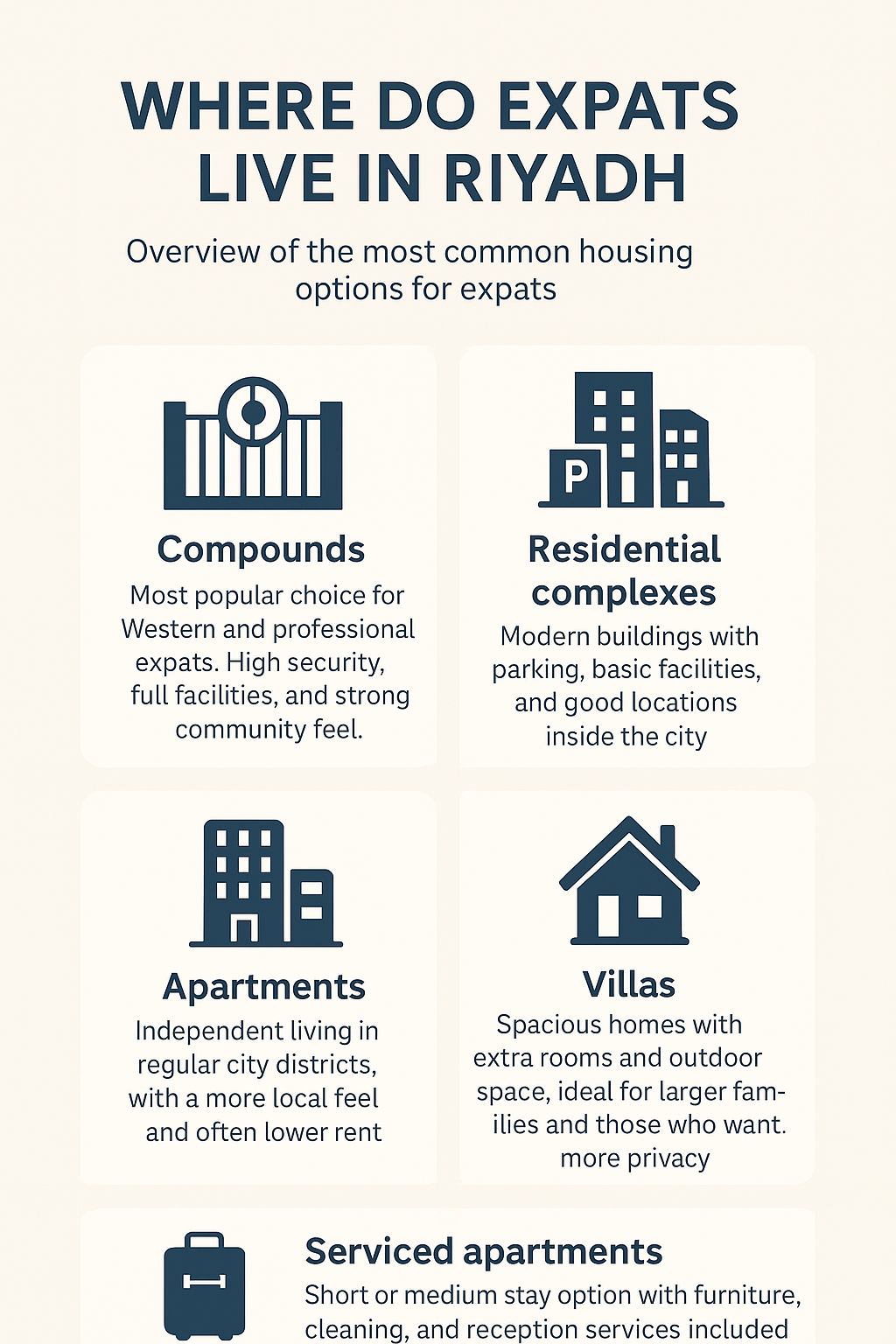
Most expats in Riyadh choose between a few main living options. The first and most popular is compounds and residential complexes with high security, shared facilities, and an international community. The second option is private apartments in city neighborhoods, often close to offices, malls, and main roads. Larger families sometimes prefer standalone villas with more space and privacy. For short or medium stays, many expats choose serviced apartments or hotel apartments with cleaning and reception included. Some also share bigger apartments or villas with colleagues to reduce monthly costs.
-
Compounds
Gated communities with high security, shared facilities, and an international expat atmosphere. This is the most popular choice for many Western professionals and families. -
Residential Complexes / Residences
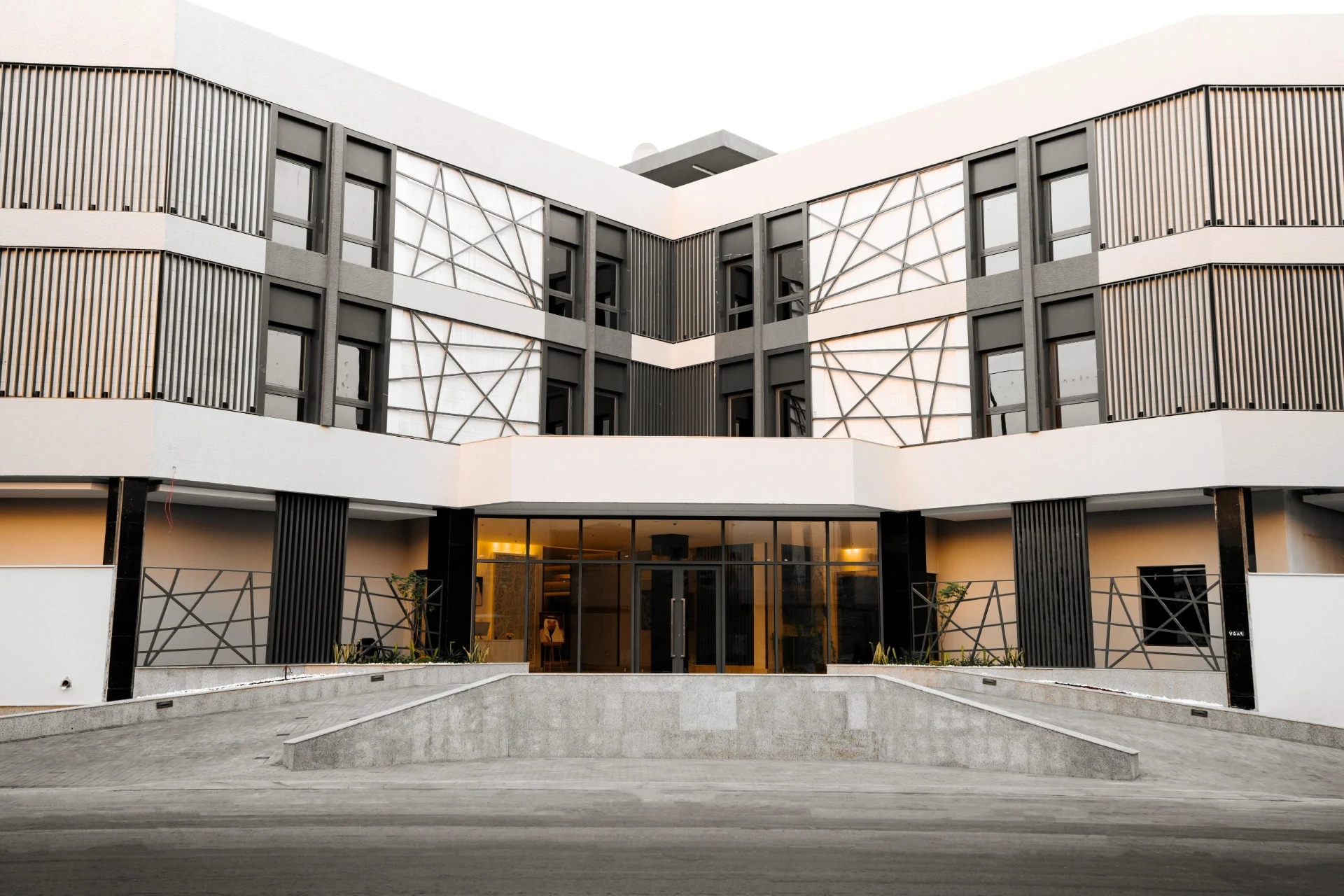
Also called residences, these are modern apartment buildings or mid size communities that offer security, parking, and some shared facilities such as a small gym or pool. They are often in central areas close to offices and main roads. -
Private apartments
Regular apartments in city neighborhoods, usually outside compounds. A good option for expats who want more independence, local experience, or lower rent. -
Villas
Larger homes with more rooms and private outdoor space. Often chosen by bigger families or expats who want extra privacy and room for guests. -
Serviced apartments and hotel apartments
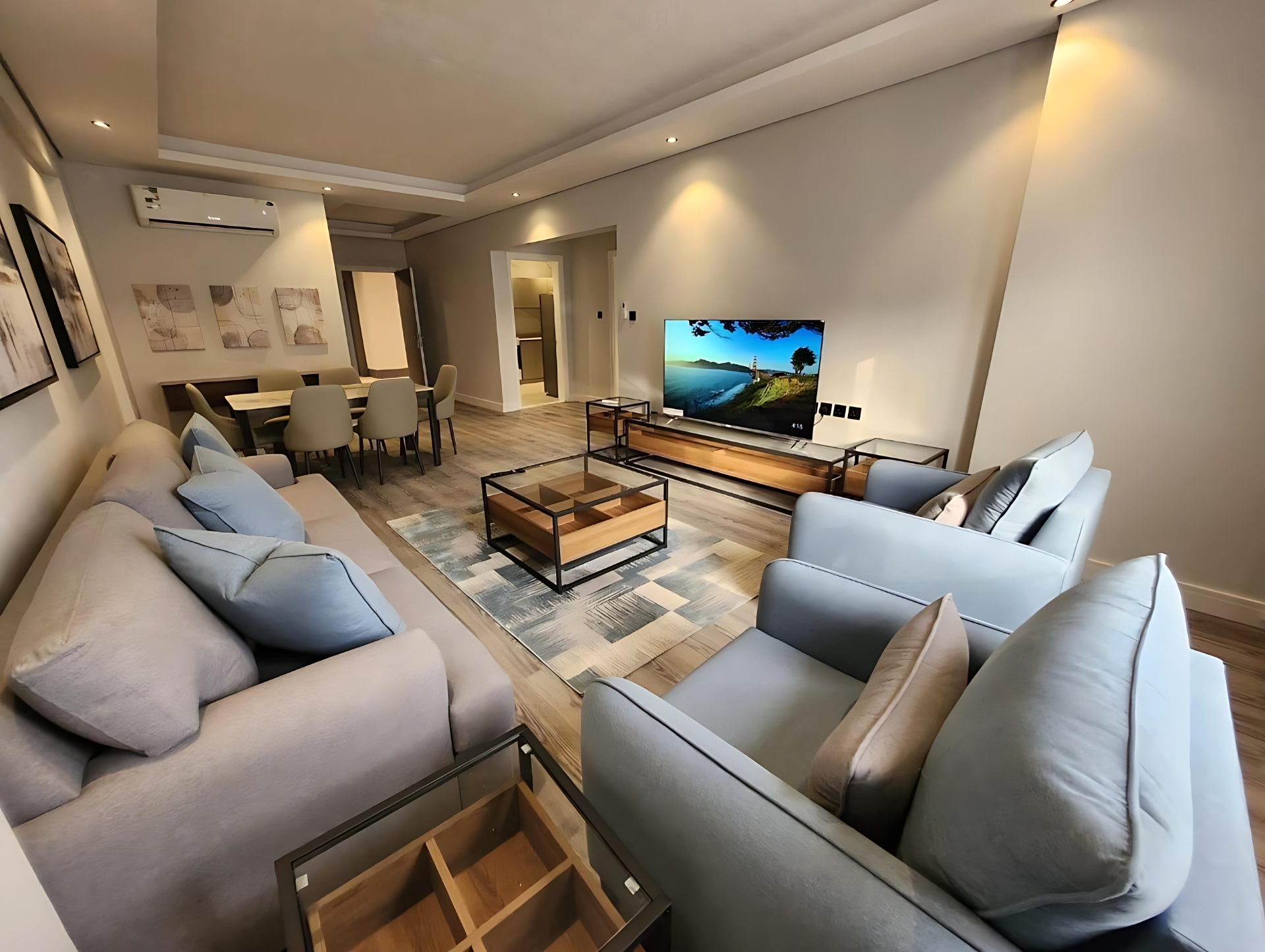
Fully furnished units with cleaning, reception, and basic services included. Ideal for short or medium stays, project based work, or newcomers who are still exploring long term options.
Compound - The Preferred Choice
Residential compounds in Riyadh are the most popular living option for expats, offering a safe and comfortable lifestyle that feels familiar yet convenient.
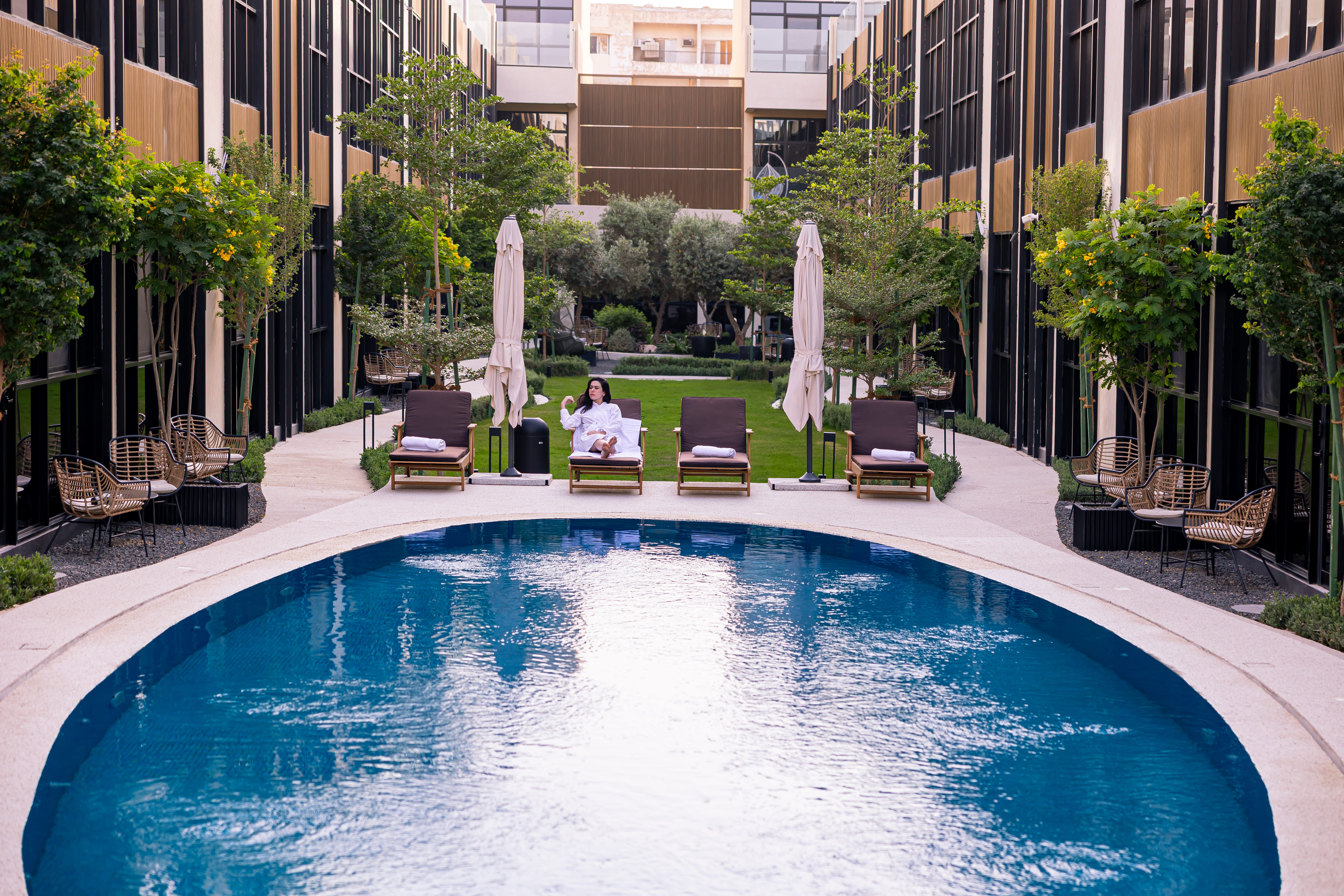
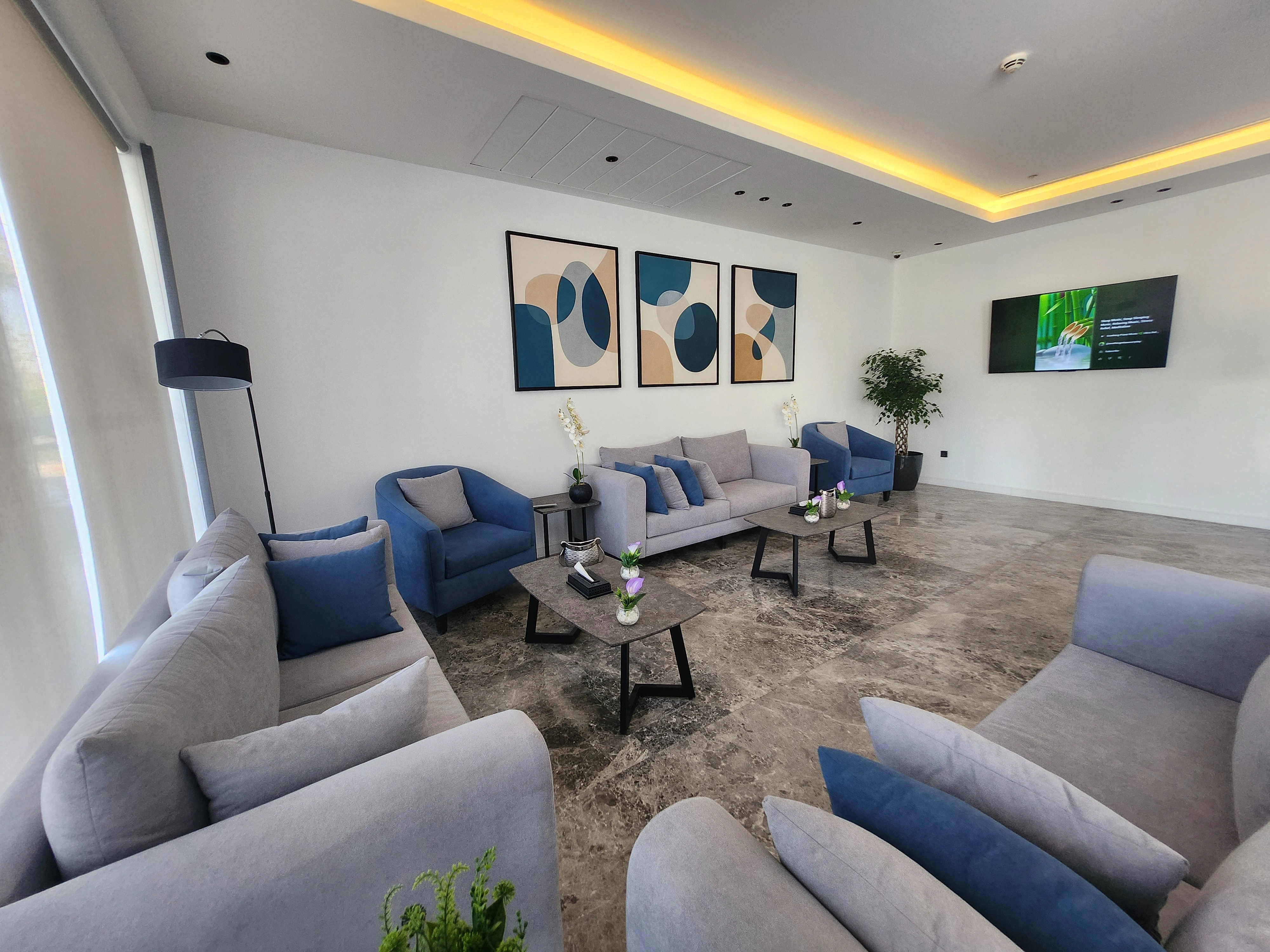
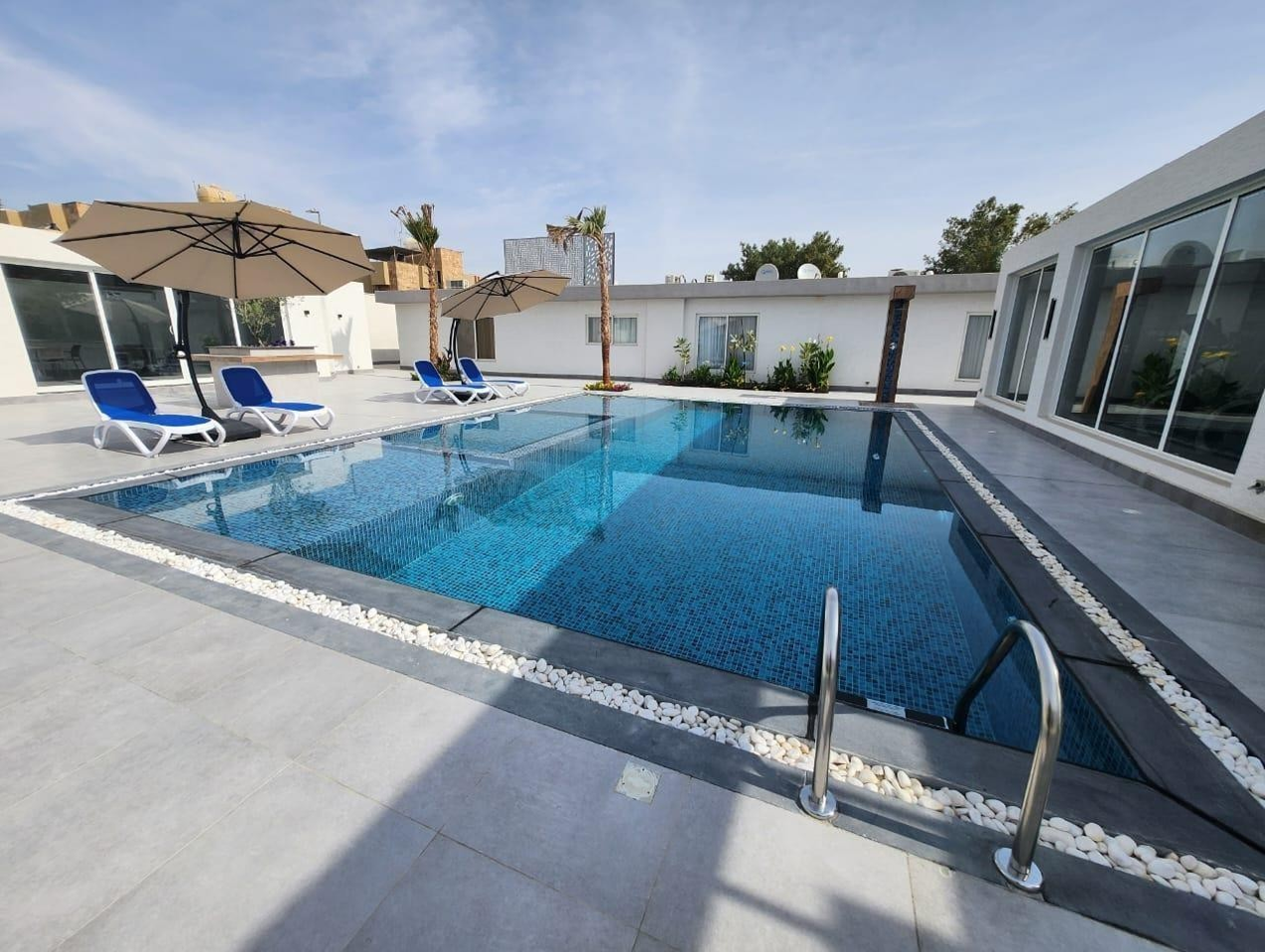
A residential compound is essentially a gated community designed with housing, amenities, and security at its core. Think of it as a mini city inside the capital, complete with swimming pools, gyms, supermarkets, cafes, and even international schools. Many also provide shuttle services to business districts, making daily life easier. The high level of security and controlled access gives residents peace of mind, which is why compounds are especially favored by expat families.
Beyond safety, they also provide a strong sense of community. Neighbors often become friends, and social events, sports, and gatherings are part of everyday life.
Why Compounds Are Popular
Residential compounds are the top choice for many expats in Riyadh because they bring safety, convenience, and lifestyle together in one place.
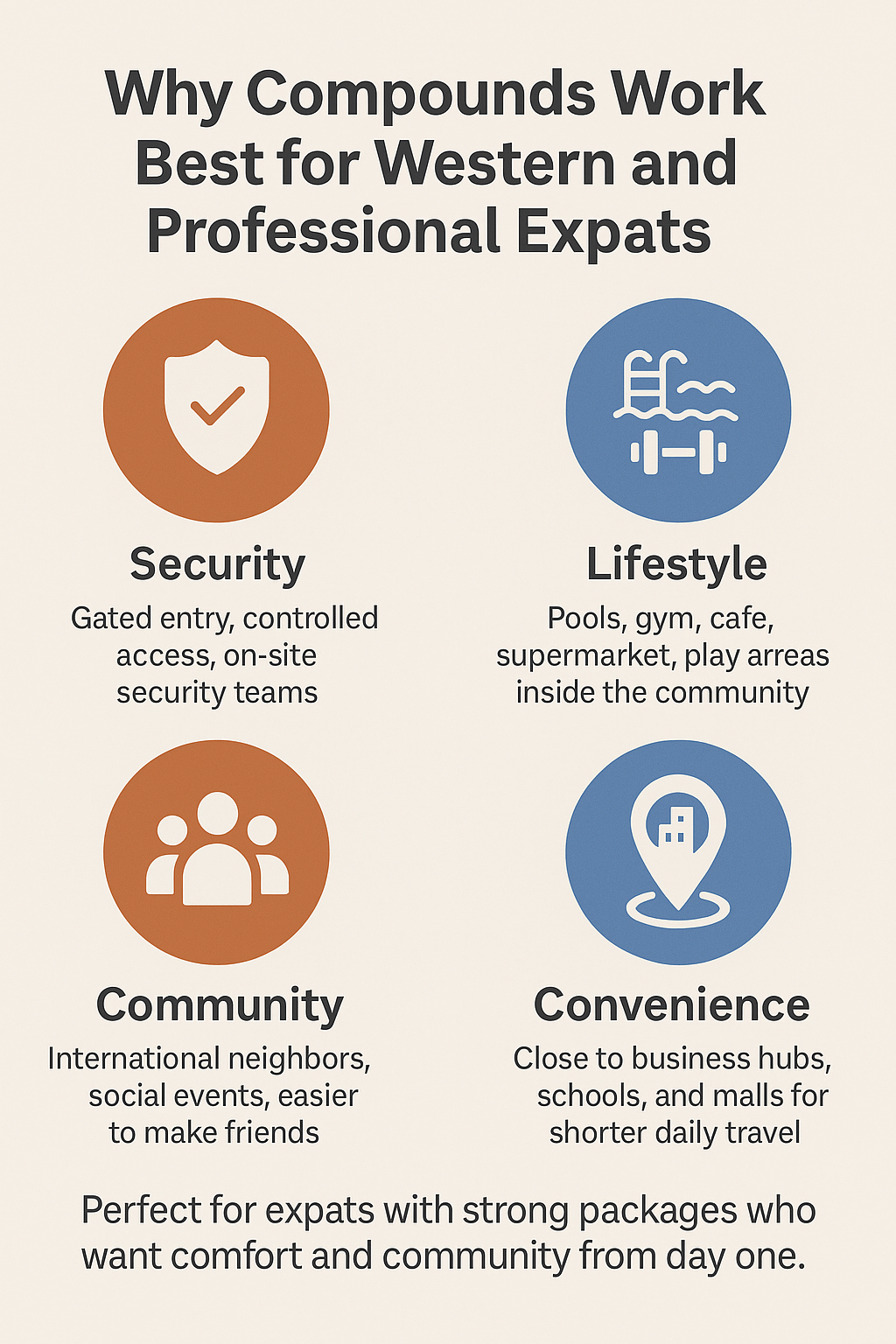
The first big reason is privacy and security. Compounds are built with high walls, gated entry, and controlled access, which gives residents a level of safety and peace of mind that is difficult to match in regular neighborhoods.
Lifestyle is the next factor. Most compounds offer swimming pools, fitness centers, supermarkets, cafes, and play areas, so many daily needs are covered inside the community. This is especially helpful for busy professionals and families who want everything close to home.
For Western and professional expats with a strong job package, compounds are often the best option because of the built in community. Neighbors usually have similar routines and backgrounds, children meet friends easily, and social life grows naturally through events, clubs, and weekend gatherings. This support network makes it much easier to settle into a new country.
Compounds also score high on convenience. Many are located near major business hubs, schools, and shopping areas, which reduces commute times and simplifies family logistics. For expats who value both comfort and time, this combination of security, facilities, and location explains why compounds remain such a popular choice in Riyadh.
Explore Best Comounds in Riyadh for Expats
Living Outside Compounds - Apartments & Villas
Not every expat in Riyadh chooses to live inside a compound. Many prefer independent apartments or villas in different neighborhoods across the city. This option is often more affordable, but it also requires a closer adjustment to local culture and daily life. For those who want more independence, Riyadh offers several expat friendly areas that balance convenience and comfort.
The Diplomatic Quarter (DQ) is one of the most sought after areas, known for its tree lined streets, embassies, cafes, and landscaped gardens. It is especially popular among professionals and diplomats who value a refined, international atmosphere. In the city center, Al Olaya and King Fahd District stand out with modern apartments close to shopping malls, offices, and business hubs, which makes them ideal for young professionals who want to live near work. Families often choose Malqa and Hittin, suburban style neighborhoods with spacious housing and new developments that offer a quieter environment. Al Nakheel and Al Hamra are attractive for their easy access to schools, malls, and nearby compounds, which makes them a strong choice for families with children.
Living outside compounds gives expats more flexibility when choosing housing styles and locations, and it also means blending more closely with the local community. For many, this offers a deeper cultural experience of life in Riyadh.

How To Choose The Right Area In Riyadh As An Expat
Choosing where to live in Riyadh is just as important as choosing the type of housing. The right area can save you time every day, reduce stress, and make your life in the city feel smoother and more enjoyable.
-
Think about your daily commute
Try to choose an area that keeps your commute simple. If you work near King Fahd Road, Al Olaya or King Fahd District can make sense. If your office is closer to KAFD or the northern side of the city, areas such as Hittin, Malqa or Al Nakheel may reduce drive time. Less time in traffic means more time to relax at home or enjoy facilities in your compound or neighborhood. -
Match the area with your budget
Compounds and high end residential complexes usually have higher rents because of the facilities and security included. Apartments and villas outside compounds can be more affordable but may require extra budget for transport, private security, or club memberships. Before you decide on an area, be clear about your monthly budget for rent, utilities, internet, and any extra fees. -
Consider schools and family needs
If you have children or plan to move with family, check how close the area is to international schools, nurseries, clinics, and parks. Many families prefer areas where the school run is short and where children can safely play or cycle. Proximity to schools can make a big difference in daily routine and quality of life. -
Decide on your lifestyle
Some expats prefer lively central areas close to malls, cafes, gyms, and business districts. Others want a quieter residential feel with more space and less traffic. The Diplomatic Quarter offers a calm, landscaped environment, while central districts such as Al Olaya feel more urban and active. Think about how you like to spend evenings and weekends, then choose an area that supports that lifestyle. -
Check access to services and transport
Look at how easy it is to reach supermarkets, hospitals, main roads, and in the future the metro. Even if you have a car, being close to main routes or planned metro stations can make life easier. Good road connections are especially important if you expect frequent travel to the airport, business districts, or other parts of the city. -
Visit in person before deciding
If possible, walk or drive around the area at different times of day, not only during office hours. This helps you understand traffic, noise levels, and how busy the neighborhood feels in the evening. Talk to other expats and residents if you can, and ask about their experience with parking, maintenance, security, and nearby services.
Costs And Rental Considerations For Expats In Riyadh
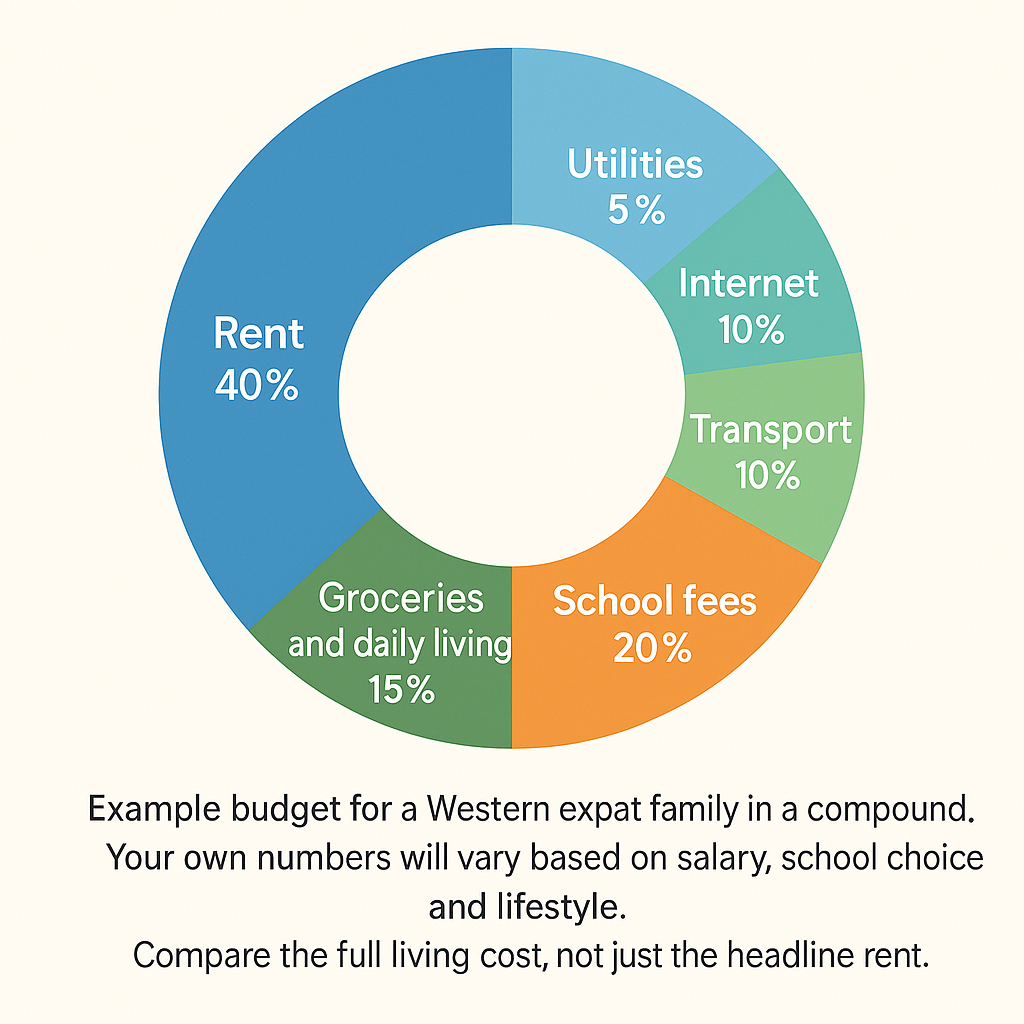
Understanding how rent works in Riyadh helps expats avoid surprises and choose a home that truly fits their budget and lifestyle. Prices can vary a lot between compounds, residential complexes, and regular apartments, but the main cost structure follows similar patterns.
In most compounds and high quality residential complexes, the rent is higher because many services are bundled into the price. You are often paying not only for the apartment or villa, but also for security, shared facilities such as pools and gyms, and sometimes basic maintenance of common areas. Some compounds include utilities, internet, or satellite television, while others charge these separately, so it is important to ask what is included before you sign.
Apartments and villas outside compounds can be more affordable on paper, but expats should factor in extra monthly costs. These can include electricity, water, home internet, air conditioning servicing, and sometimes private security or building service fees. If you live far from your workplace, transport and fuel costs can also increase your total monthly spending.
Payment terms are another key point. Many landlords in Riyadh prefer rent to be paid in advance, often in one or several larger payments across the year instead of monthly transfers. Some will accept quarterly or biannual cheques, while others are flexible with bank transfers. It is important to confirm the payment schedule, the method, and what happens if you need to leave before the contract ends.
Expats who receive a housing allowance from their employer should check how and when this allowance is paid. In some cases, the company pays the landlord directly. In others, the employee pays the rent and then claims reimbursement. Understanding this process early helps you choose a property that fits both your needs and your company policy.
Finally, it is wise to keep a small buffer in your budget for unexpected costs such as minor repairs, furniture, deposits, or moving services. Taking the time to compare not only the headline rent but the total cost of living in each option will make it easier to choose a home in Riyadh that feels both comfortable and financially sustainable.
What To Check Before Signing A Rental Contract In Riyadh
Once you find a place you like, the next big step is the rental contract. Taking a little extra time to read and understand the agreement can save you stress later and protect your rights as a tenant.
1. Contract length and renewal terms
Check how long the contract lasts, usually one year, and what happens at the end of that period. Is renewal automatic or do you need to give notice. Make sure you understand the notice period required if you want to move out, and whether early termination is allowed with a fee or not allowed at all.
2. Payment schedule and method
Confirm the total annual rent, how it is divided, and how you are expected to pay. Many landlords prefer yearly or quarterly payments instead of monthly. Ask if payments are made by bank transfer or cheques, and whether there are any penalties for late payment. If your company pays your housing, make sure the payment schedule matches your employer policy.
3. What is included in the rent
Do not assume that utilities or services are included. Ask clearly whether electricity, water, gas, internet, and maintenance are part of the rent or billed separately. In compounds and residential complexes some services may be bundled, while in regular apartments and villas you may handle everything yourself.
4. Maintenance and repair responsibilities
Understand who is responsible for fixing what. Check if the landlord covers structural issues, air conditioning, plumbing, and major repairs, and whether you are expected to handle small fixes inside the unit. Also ask how to report issues, typical response times, and if there is an on site maintenance team for compounds and larger buildings.
5. Rules, regulations, and restrictions
Most compounds, residences, and buildings have internal rules about visitors, parking, noise, pets, use of facilities, and any changes you can make inside the unit. Ask for these rules in writing and read them before you sign. This is especially important for families, pet owners, and anyone planning to host guests regularly.
6. Handover condition and inventory
Before you move in, walk through the property and note the condition of walls, floors, doors, appliances, and furniture if it is furnished. Take photos and agree on an inventory list so there is no confusion later when you leave. This helps protect your deposit and gives both sides a clear starting point.
7. Legal documents and registration
Make sure the landlord or property manager is the legal owner or authorized representative. In many cases, rental contracts are registered on official platforms. Ask how your contract will be recorded and keep copies of everything, including payment receipts and any written agreements sent by email or message.
By checking these points before you sign, you reduce risk and start your new life in Riyadh with clear expectations and fewer surprises.
Practical Tips For New Expats Moving To Riyadh
Finding the right home in Riyadh is easier when you take a few simple steps before making any final decision. These tips help you settle in with confidence and avoid common mistakes during the first months.
-
Start with temporary accommodation
If possible, begin your stay in a hotel or serviced apartment. This gives you time to explore different areas, visit compounds and residences in person, and understand traffic and distances before signing a longer contract. It is much easier to choose calmly when you are already on the ground. -
Visit properties at different times of day
A neighborhood can feel very different in the morning, afternoon, and evening. Try to see compounds and apartments at more than one time. Notice traffic, noise, parking, and how active the area feels at night and on weekends. This helps you judge if the place truly fits your lifestyle. -
Talk to other expats and residents
Current residents are one of the best sources of honest information. If you visit a compound, try to speak with people who already live there and ask about maintenance, noise, facilities, and management. Online expat groups for Riyadh can also help you understand which areas and compounds people recommend and why. -
Check distance to work and daily destinations
Use an online map to measure real travel times from the property to your office, your children school, and places you expect to visit often such as malls or gyms. Try to check both peak and off peak hours. A comfortable daily routine is often more important than having the biggest unit. -
Understand local customs in residential areas
Riyadh is welcoming but also conservative, especially outside compounds. Learn basic expectations about dress, noise, visitors, and shared spaces. In compounds the environment is usually more relaxed and international, while regular neighborhoods follow local traditions more closely. Respecting these norms makes everyday life smoother. -
Prepare key documents in advance
Before you start viewing properties, make sure your residence permit, employment contract, and identification are ready and easy to share with landlords or property managers. Having everything prepared shows that you are serious and can speed up the rental process when you find a place you like. -
Keep communication clear and in writing
Whether you deal with a compound office, a property company, or a private landlord, try to confirm important details by email or message. This includes rent, what is included, payment dates, maintenance terms, and any promises about repairs or upgrades. Written confirmations reduce misunderstandings later.
By combining these practical steps with a clear idea of your budget, lifestyle, and location needs, you can choose housing in Riyadh that feels both comfortable and stable for your expat life.
Family-Friendly Living in Riyadh
For expat families moving to Riyadh, one of the biggest priorities is being close to good schools and safe, community-oriented neighborhoods.
School proximity is often the deciding factor when choosing a compound or private villa, since it makes daily routines much easier. Some of the most respected international schools in the city include the American International School of Riyadh (AISR) and the British International School Riyadh (BISR). Both schools follow international curriculums and are located near major residential compounds, making them highly convenient for expat parents.
Many compounds are also designed with children in mind, offering playgrounds, swimming pools, sports clubs, and daycare facilities. For families, this combination of education, safety, and lifestyle amenities makes Riyadh’s expat compounds and nearby neighborhoods especially attractive places to call home.
Frequently Asked Questions About Expat Housing In Riyadh
Many newcomers have similar questions when they start looking for a home in Riyadh. These short questions and answers help clear up the most common points of confusion.
1. Is it better for expats to live in a compound or outside
There is no single right answer. Compounds offer high security, many facilities, and an international community, which many expats find comfortable. Living outside in apartments or villas can be more affordable and gives a closer experience of local life. The best choice depends on your budget, family situation, and how much you want a community atmosphere versus independence.
2. How far in advance should I start looking for housing
If possible, start researching areas and compounds a few months before your move. Contact property managers or compound offices, and collect basic information about rent and availability. Serious viewing usually works best in the weeks just before you arrive and the first few weeks after arrival, when you can visit in person and decide quickly.
3. Do I need a car in Riyadh
Most expats find that having a car makes daily life much easier, especially if they live outside central or highly connected areas. Taxis and ride hailing apps are widely used, and the metro will support travel along its lines, but for families, school runs, and trips to malls or offices, a car often saves time and gives more flexibility.
4. Are utilities usually included in the rent
In some compounds and residential complexes certain services may be included, such as water, basic maintenance, or shared facilities. Electricity and internet are often separate. In regular apartments and villas outside compounds, most utilities are paid directly by the tenant. It is important to ask clearly what is included and what will be billed separately.
5. Can I negotiate the rent
In many cases there is some room for negotiation, especially if you are ready to sign for a full year or longer and can pay on the schedule the landlord prefers. Sometimes you may not get a lower annual price, but you might be able to negotiate small improvements, fresh paint, minor repairs, or additional appliances before you move in.
6. How safe are residential areas in Riyadh for expats
Riyadh is generally a safe city, and compounds in particular have controlled access and on site security. Regular neighborhoods also feel safe for most residents, especially in established family areas. Still, it is wise to choose a well known district, check lighting and parking, and ask current residents or colleagues about their experience.
7. What if my job location changes after I sign a contract
This can happen if you change role or office. Before signing, consider choosing an area with good road links to several business districts rather than only one. If a move becomes necessary, check your contract for rules about early termination or subletting, and speak honestly with your landlord or compound management as early as possible.
Final Thoughts Where Do Expats Live In Riyadh
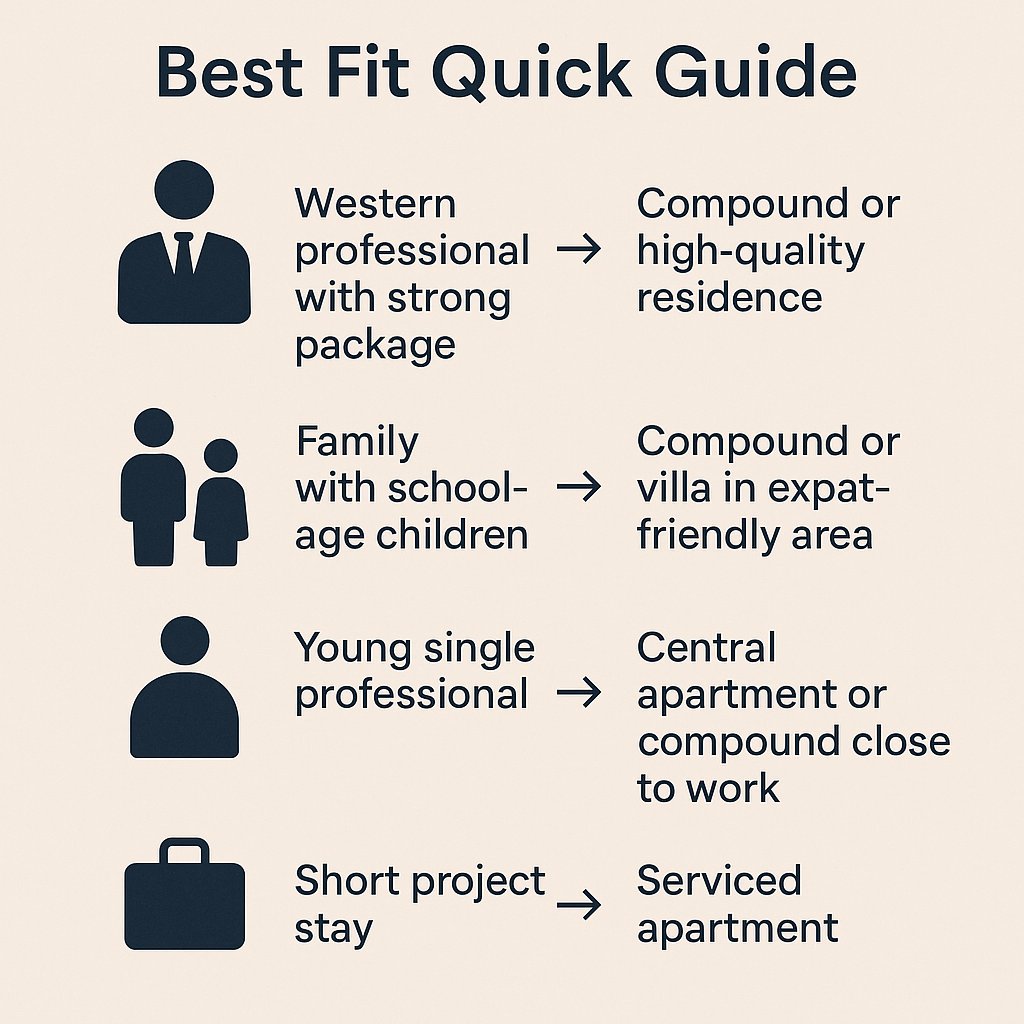
So, where do expats live in Riyadh. Most choose residential compounds because they combine comfort, security, and a friendly international community. For many Western and professional expats with a good job offer or strong package, compounds are often the best choice, as they provide a built in social life, support network, and facilities that make it easier to settle into a new country. Facilities such as pools, gyms, cafes, and shared outdoor spaces make daily life feel simple and familiar, especially for families and newcomers who want an easy start in the city.
At the same time, many expats are happy in apartments or villas in expat friendly areas such as the Diplomatic Quarter, Al Olaya, Malqa, Hittin, or Al Nakheel. These neighborhoods offer more independence and different lifestyle choices, from central city living close to offices and malls to quieter family areas with more space.
In the end, the best place to live depends on your budget, family needs, and how you prefer to experience life in Riyadh. Whether you pick a residential compound with full facilities or an independent apartment or villa in the city, Riyadh gives you many options to build a comfortable and stable home.